



Emory ALIGN: Advancing a Sustainable Nursing Pipeline Through Academic–Clinical Collaboration
The healthcare sector is facing a decisive moment. While nursing shortages continue to dominate national conversations and pressure patient care teams, an equally destabilizing challenge sits upstream: instability within the clinical faculty model responsible for preparing the next generation of nurses. As clinical complexity accelerates and instructional capacity is strained, traditional approaches to academic preparation and clinical onboarding are no longer sufficient to meet workforce demands.
Temporary, part-time clinical instructors remain common across schools of nursing. Many balance multiple jobs, unpredictable schedules, and limited institutional support for their instructional responsibilities. The result is fragmented student experiences, increased faculty workload, and significant operational disruption at both the academic and clinical level. These challenges ultimately translate to decreased workforce readiness and higher early-career turnover as new graduates struggle to transition into frontline nursing.
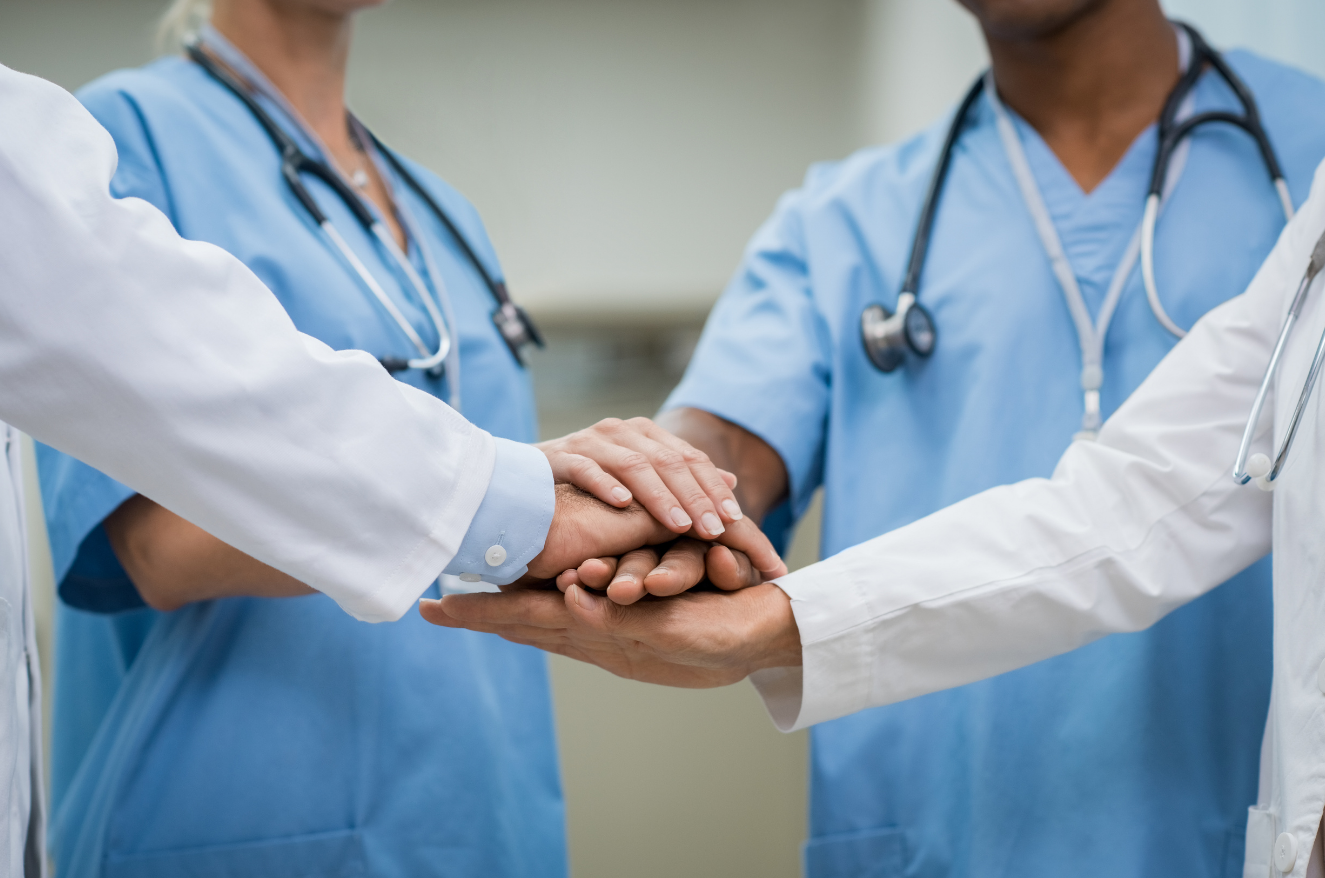
Nursing education and healthcare delivery can no longer operate as separate systems. A sustainable workforce pipeline strategy requires aligned priorities and intentional partnership between Academic institutions and health systems.
At Emory Healthcare and the Nell Hodgson Woodruff School of Nursing, we are demonstrating what this collaboration looks like in practice.
A Model Built on Systemness
To establish a practice-aligned and sustainable pipeline, Emory launched Emory ALIGN – Academic Learning Integrated with Guided Nursing Practice. This collaborative model embeds full-time, master’s-prepared nurses into dual-role positions within Emory Healthcare, where they serve as both clinical instructors for nursing students and clinical nurses contributing directly to patient care
Unlike traditional adjunct or shared-appointment models, Emory ALIGN instructors are employed by the health system, while receiving academic oversight, training, and mentorship from the School of Nursing. This structure ensures instruction is grounded in current standards of care while remaining consistent with academic expectations and curricular goals.
By replacing external, temporary instructors with fully integrated clinicians, students learn within the same workflows, technologies, and interprofessional environments where they will eventually practice. This approach also reinforces organizational culture early, building familiarity, confidence, and commitment before graduation.
Simulation-Driven Faculty Development
A cornerstone of the Emory ALIGN model is a comprehensive faculty development program grounded in the Healthcare Simulation Standards of Best Practice™. Clinical instructors are not only clinically competent but also prepared as effective educators equipped to support learning in increasingly complex care environments.
The development process includes structured onboarding, simulation-based training i:
– Asynchronous modules introducing clinical instruction and simulation standards
– Hands-on workshops covering the clinical instructor role, simulation facilitation, pre-briefing, and debriefing
– Guided observation and co-teaching with experienced faculty
– Ongoing mentorship supported by standardized competency evaluation
Simulation prepares clinical instructors to lead learning effectively by strengthening facilitation, communication, and clinical judgment assessment within real-world care direct-care environments. This elevates instructional quality and student confidence.
Workforce Impact: Growing Talent from Within
Emory ALIGN directly supports workforce development by growing and retaining talent well before licensure:
– Students experience consistent, high-quality instruction aligned with practice
– Nurses expand their career pathways within the organization, strengthening retention
– Clinical leaders gain visibility into a pipeline of graduates prepared to succeed
Early outcomes demonstrate a measurable impact. Since January 2025, 55 Emory ALIGN instructors have been recruited and trained to support learning and direct patient care. They have covered more than 600 bedside shifts, supporting staffing flexibility, while maintaining instructional continuity. Student evaluations across clinical and simulation settings exceed benchmark means with feedback consistently highlighting instructor engagement, clarity, and support. The program has also reduced absenteeism and reliance on multiple instructors per course, improving operational stability across clinical placements.
These improvements strengthen outcomes at the bedside by ensuring graduates arrive ready to contribute safely and effectively.
Shared Value Through Collaboration
Emory ALIGN represents a balanced distribution of responsibility:
The School of Nursing contributes:
– Faculty oversight and instructional training
– Curriculum alignment and academic evaluation
– Simulation standards and mentoring
Emory Healthcare contributes:
– Employment, supervision, and compensation
– Clinical integration and workload support
– Strategic workforce placement based on care needs
Both partners benefit from an aligned vision of workforce growth that supports nursing practice and learning simultaneously.
Scaling for Systemwide Integration
The long-term success of the Emory ALIGN model relies on scale, consistency, and continued partnership integration. Emory Healthcare aims to deploy 62 clinical instructors by the start of the 2026 Spring semester, ensuring broad coverage and sustained instructional quality across multiple campuses and specialties.
As the model expands, we will continue monitoring:
– Workforce retention and hiring outcomes
– Student learning and satisfaction
– Clinical performance measures among new graduates
– Financial impact related to reduced temporary labor use
This data will refine the model and support replication within other academic health systems.
A Blueprint for the Future of Nursing Education
The workforce crisis is a shared challenge, and its solutions must also be shared.
Academic medical systems are uniquely positioned to lead not only in patient care and research, but in shaping the next generation of nurses who will sustain and advance that care. Emory ALIGN demonstrates that when education and clinical service operate as a unified ecosystem, outcomes improve for students, instructors, health systems, and patients alike.
This model emphasizes the power of intentional partnership:
– Aligned goals between school and system
– Integrated roles blending learning and practice
– Co-owned outcomes that strengthen the pipeline
Nursing excellence begins long before a graduate’s first independent shift. By investing at the beginning of the professional journey, we are ensuring workforce strength and resiliency far into the future.
Emory ALIGN is more than a staffing strategy; it is a commitment to sustaining the profession, protecting patient care, and advancing the mission of academic nursing through partnership and innovation.
The post Emory ALIGN: Advancing a Sustainable Nursing Pipeline Through Academic–Clinical Collaboration appeared first on Becker’s Hospital Review | Healthcare News & Analysis.